Source Server Graphics Cards for Enterprise, Workstation, and Desktop
Explore 30 server graphics card options for enterprise, workstation, and desktop applications. Compare specifications including NVIDIA Tesla series models, PCIe interfaces, and cooling systems to find the right hardware for your infrastructure needs; compare the available evidence and request quotations based on your requirements.
Key considerations
Products List


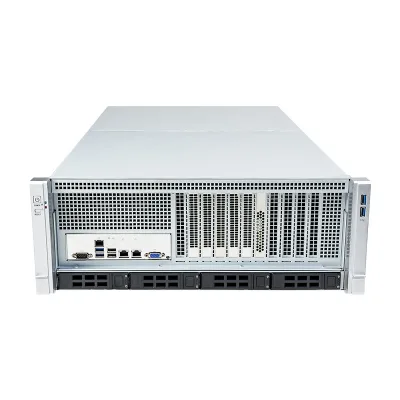

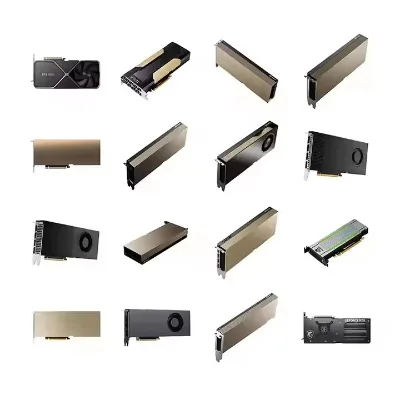
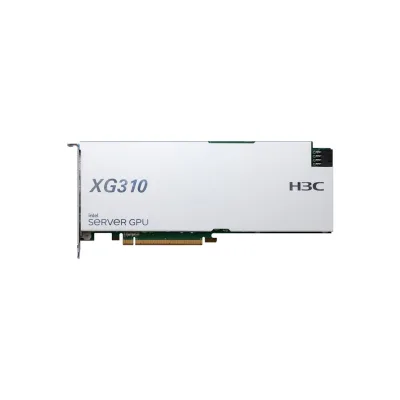
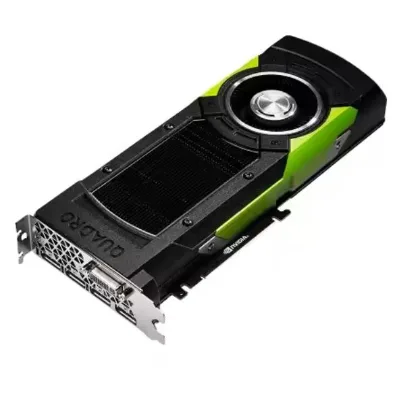


Comprehensive Sourcing Guide
Server Graphics Card Sourcing Guide
Procuring server graphics cards requires distinguishing between general-purpose accelerators and specialized high-performance units designed for data center workloads. The market currently features distinct product lines, including integrated solutions and discrete cards based on architectures like the Nvidia Tesla Series. Buyers must carefully evaluate whether the specific GPU architecture aligns with their intended server applications, such as enterprise-level computing or high-density data processing.
Verification of the physical interface and memory bus width is critical before finalizing any purchase order. Listings often specify a 512-bit memory bus and PCI Express 3.0 16X interface, which directly impacts data throughput capabilities. Sourcing teams should confirm that the selected hardware supports the required system architecture, such as X86 servers, to ensure seamless integration with existing infrastructure without requiring costly adapter modifications.
Product Scope and Observed Listing Signals
The observed product range spans from compact integrated graphics units to massive enterprise accelerators with significant memory capacities. Listings indicate a wide price variance, reflecting the difference between standard workstation cards and specialized high-end models like the H100 94GB NVL. Buyers should note that some products are explicitly marketed for server applications, while others target desktop or laptop environments, necessitating a clear definition of the deployment context.
Minimum order quantities and packaging standards vary significantly across different suppliers and product tiers. While some vendors offer a minimum order of just one piece, others may require bulk purchases or specific packaging like wooden cases for heavy-duty units. Understanding these logistical signals helps procurement teams anticipate shipping costs and storage requirements, ensuring that the supply chain can accommodate the physical dimensions and weight of the selected hardware.
Technical Specifications to Verify
Technical validation must begin with the core processor architecture and memory configuration to ensure compatibility with demanding workloads. Buyers should verify the GPU series, such as the Nvidia Tesla Series, and confirm the presence of specific features like Hyper-Threading Technology support. It is essential to check the chip process node, as some listings specify 14 nanometers, which influences power efficiency and thermal management requirements within the server chassis.
Thermal design power and cooling mechanisms are equally critical for maintaining system stability under continuous operation. Specifications often cite a TDP of 150W, requiring compatible air cooling systems or fan configurations to prevent overheating. Additionally, the video memory type, such as GDDR3, and core clock speeds around 1710MHz must be cross-referenced against the specific computational needs of the application to avoid performance bottlenecks during peak processing times.
Compliance and Safety Documentation
Ensuring that hardware meets international safety and environmental standards is a prerequisite for global deployment. While some background information suggests certifications like RoHS, buyers must explicitly request current compliance documentation from the supplier rather than assuming adherence based on general market knowledge. Verification of material standards, such as SGCC for chassis components, ensures that the physical hardware meets durability and fire safety requirements for enterprise environments.
Documentation regarding the product origin and manufacturing standards provides transparency into the supply chain integrity. Listings often indicate origins in China, including specific regions like Beijing, which may influence logistics planning and import regulations. Buyers should confirm that the product standard, whether labeled as KG or Standard, aligns with local regulatory frameworks to avoid customs delays or legal complications upon arrival at the destination facility.
Cost Drivers and Commercial Terms
Pricing for server graphics cards is heavily influenced by the specific model, memory capacity, and the complexity of the underlying architecture. The observed price range is vast, extending from affordable units to high-value components costing hundreds of thousands of dollars, driven by factors like the 94GB NVL memory configuration. Procurement teams must analyze the total cost of ownership, including potential customization fees for additional elements or specific packing requirements that deviate from standard configurations.
Commercial terms such as warranty periods and return policies significantly impact the financial risk associated with the purchase. A standard one-year warranty is frequently observed, but buyers should negotiate extended coverage for critical server infrastructure. Additionally, understanding the customization options available, such as specific rack unit sizes or expansion slot configurations, allows for more accurate budgeting and prevents unexpected costs arising from necessary hardware modifications.
Supplier Qualification and Quality Control
Supplier reliability is paramount when sourcing high-value server components that require long-term stability and support. Buyers should verify the supplier's ability to provide consistent quality control, particularly for products with complex specifications like the OCG series rack units. It is advisable to request evidence of their manufacturing processes, such as convex processing techniques, to ensure that the physical components meet the rigorous demands of enterprise-level deployment.
Quality assurance protocols must extend beyond the initial product delivery to include post-sales support and technical assistance. Suppliers offering customization services should demonstrate a robust process for handling specific requests, such as unique front panel ports or specific installation orientations. Establishing a clear communication channel for technical queries ensures that any issues regarding system expansion slots or interface compatibility can be resolved quickly without disrupting server operations.
Long-Term Procurement Checks
Sustaining a reliable supply chain for server graphics cards requires regular audits of supplier performance and product consistency. Buyers should implement a schedule for reviewing warranty claims and return rates to identify potential quality degradation over time. Monitoring the consistency of specifications, such as the 512-bit memory bus or specific cooling system types, ensures that future orders match the performance characteristics of the initial successful deployment.
Strategic planning for future upgrades and scalability is essential to maintain competitive advantage in data processing capabilities. Procurement teams should assess the availability of newer models and the supplier's roadmap for product evolution, particularly regarding interface standards like PCI Express. By maintaining a proactive approach to supplier relationship management, organizations can secure priority access to high-demand components and mitigate the risks of supply chain disruptions.
FAQs
What server graphics card models are available for enterprise use?
Available models include the H100 94GB NVL and R740xd configurations. These units support X86 server architectures and are designed for high-performance computing tasks. The H100 features integrated graphics and a 512-bit memory bus, while other options cater to desktop and laptop applications with varying core clocks and cooling systems.
Can I customize server graphics cards for specific enterprise requirements?
Yes, customization is available for server graphics cards to meet specific enterprise needs. Buyers can request additional elements or specific processing types like convex processing. Custom sizes and themes are also offered, allowing for tailored solutions that align with unique hardware integration requirements and spatial constraints within server racks or workstations.
What is the minimum order quantity for server graphics card purchases?
The minimum order quantity is typically one piece for most server graphics card models. This low MOQ allows for flexible procurement strategies, enabling buyers to test specific configurations like the H100 or R740xd before committing to larger volumes. It supports both small-scale trials and larger enterprise deployments without excessive initial inventory costs.
Which interface types are supported by these server graphics cards?
These server graphics cards support PCI Express 3.0 16X interface types for high-speed data transfer. They also feature HDMI output types for display connectivity. This combination ensures compatibility with modern server architectures and workstations, providing robust performance for data-intensive applications while maintaining standard connectivity options for peripheral devices and monitoring systems.
How are server graphics cards packaged for safe international shipping?
Server graphics cards are packaged using wooden cases, carton cases, or specialized combinations including PE bags, pearl cotton, and accessory boxes. This multi-layered packaging ensures protection during transit, particularly for heavy or sensitive components like the H100. The standard packaging methods are designed to prevent damage and maintain product integrity upon arrival at the destination.
What warranty terms apply to server graphics card purchases?
A one-year warranty is provided for server graphics card purchases, covering manufacturing defects and performance issues. This warranty applies to various models, including those with Intel or Nvidia chips. Buyers should retain proof of purchase to claim warranty services, ensuring long-term reliability and support for their enterprise IT infrastructure investments and operational continuity.